Design Concept
A woman living alone (the client) set out to build a home.
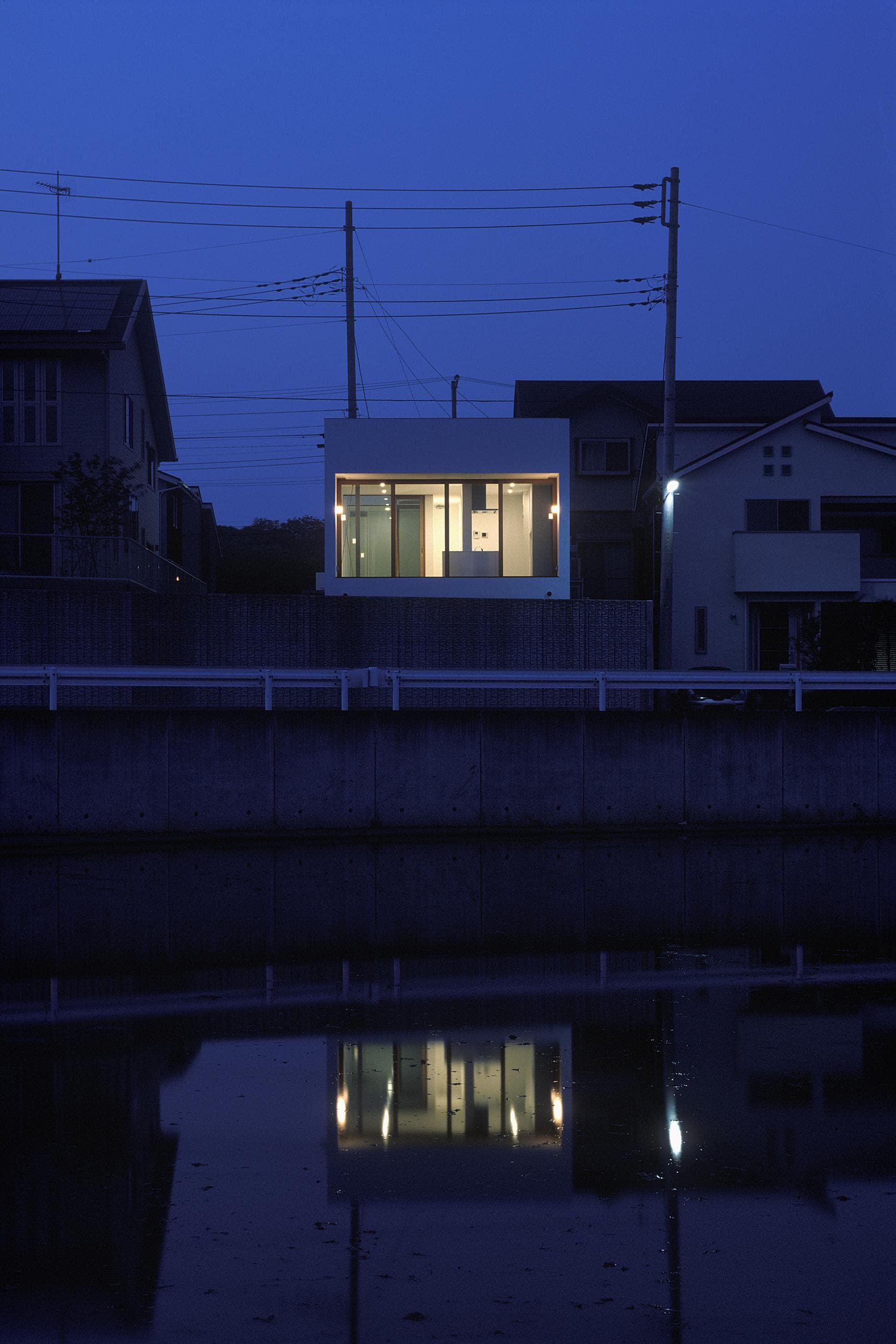
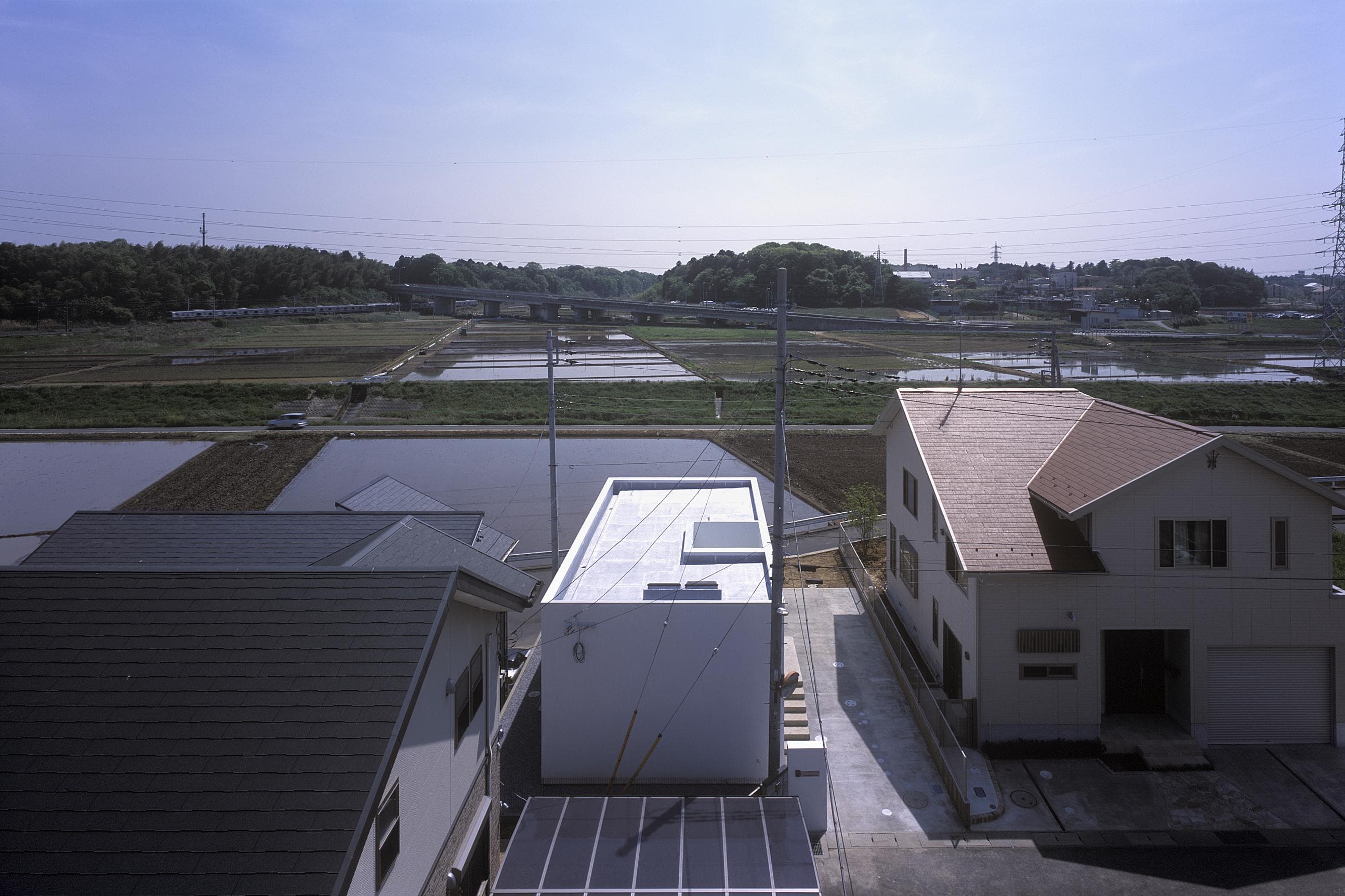
In this project, the act of building itself becomes a statement about a life shared by one woman and her dog. The house is compact, like a two-seat convertible with a dog in the passenger seat. Just as such a car can be enjoyable despite some inconvenience, this home is designed so that living itself becomes more enjoyable.
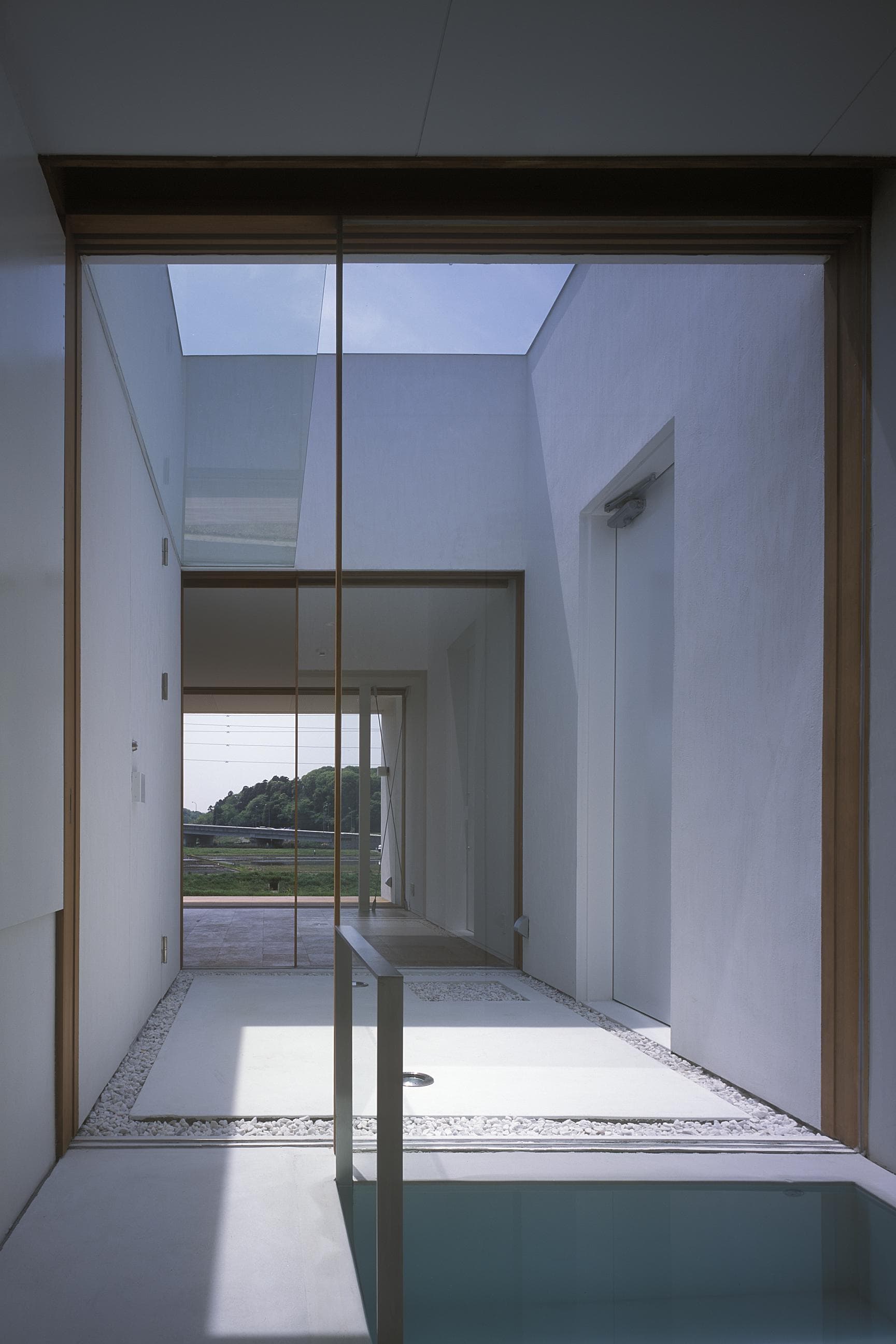
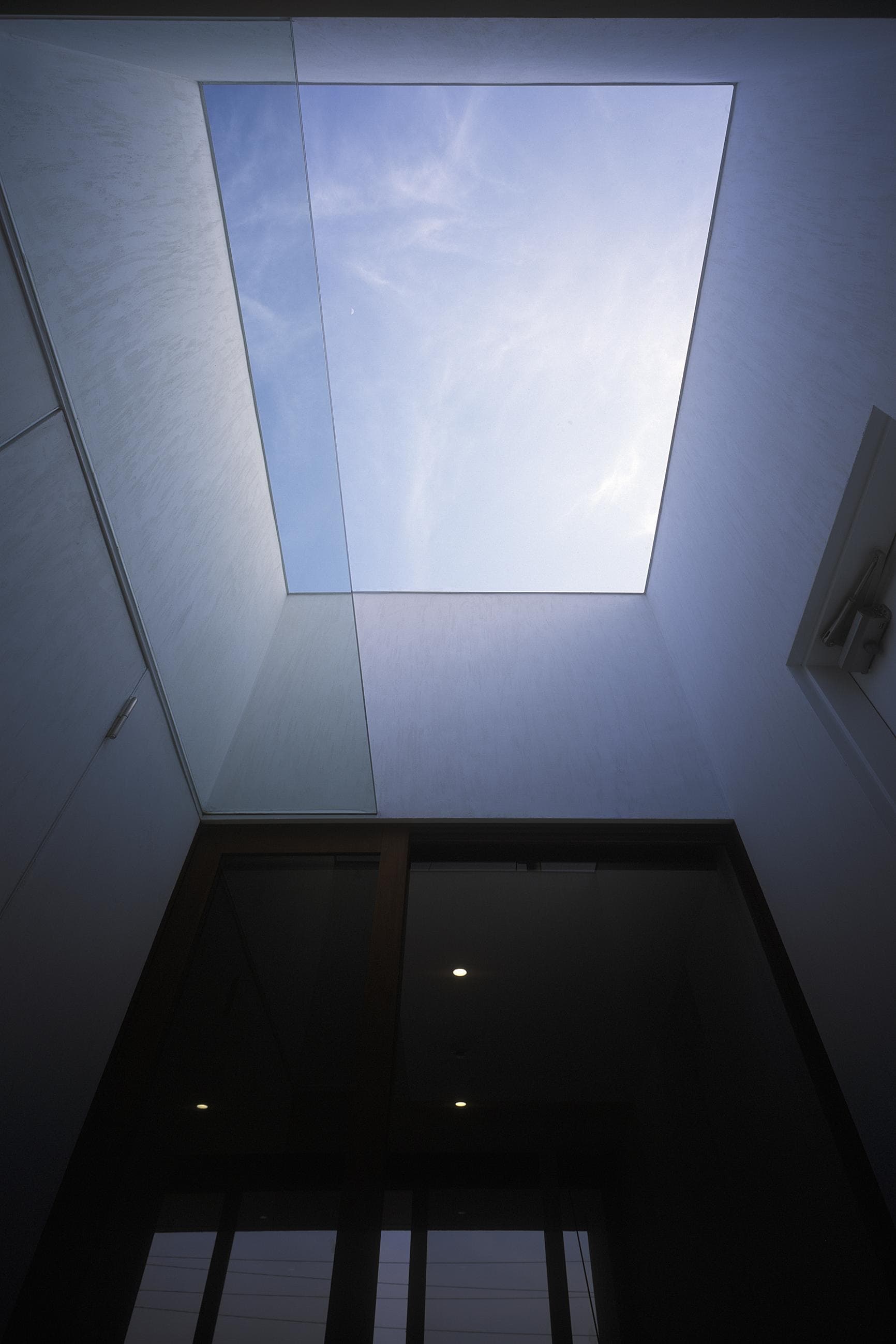
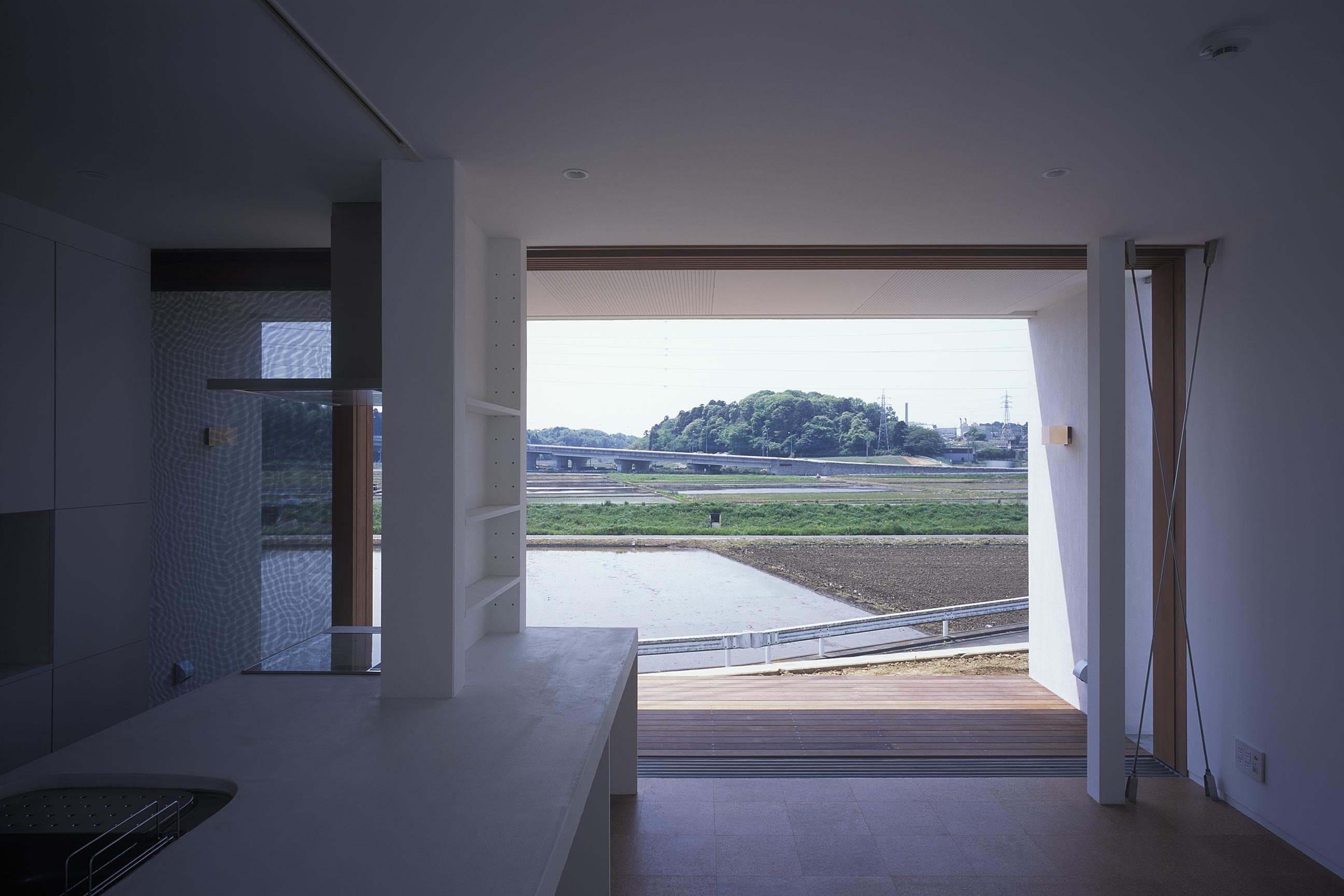
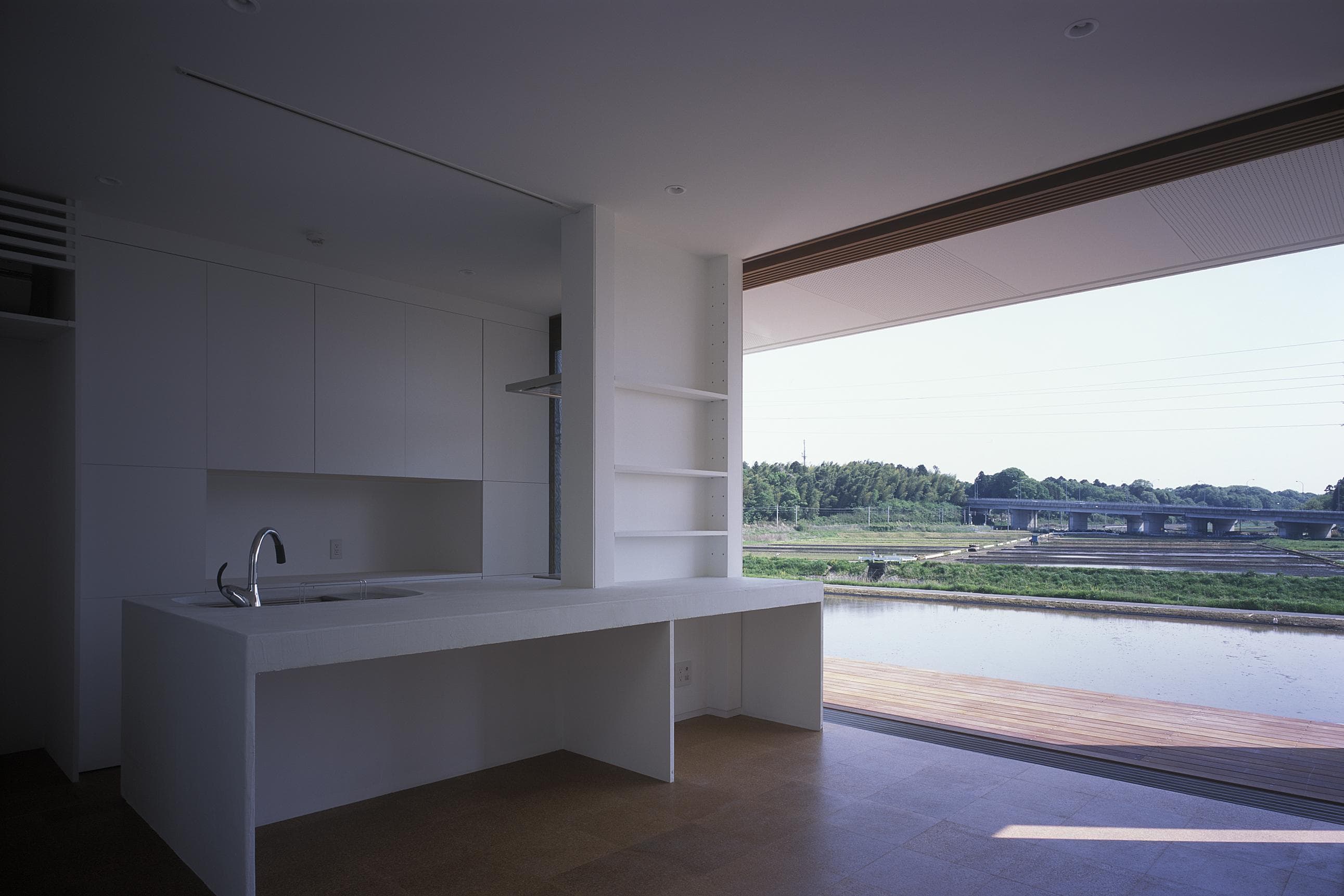
Rather than pursuing size, the project aims to create a sense of “felt spaciousness” within a small building. To achieve this, two gardens, a front garden and an inner courtyard, are carefully arranged. Here, “spaciousness” does not simply refer to physical size, but to the surrounding rural landscape and its calm atmosphere, almost, in an exaggerated sense, the openness of the earth and sky.
From the living room sofa, these two gardens expand the sense of space. On sunny days, the surrounding fields open up before you; on rainy days, the courtyard reveals the quiet beauty of falling rain. Beyond what is seen, the feeling and sound of the wind further amplify this sense of space. With your eyes closed, it can feel as if you are standing in the middle of a meadow.
Because of its compact scale, the house sits close to the limit of what can be fully perceived by the body. The entire space can be experienced through the senses, creating both comfort and reassurance.
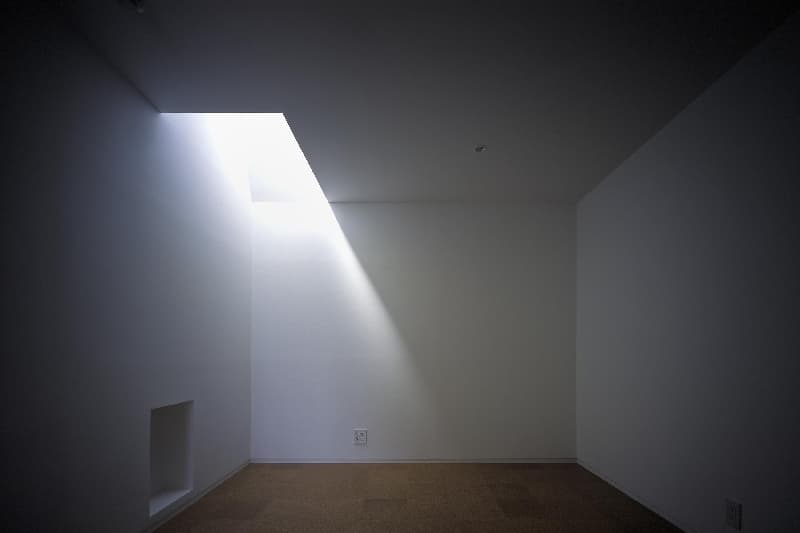
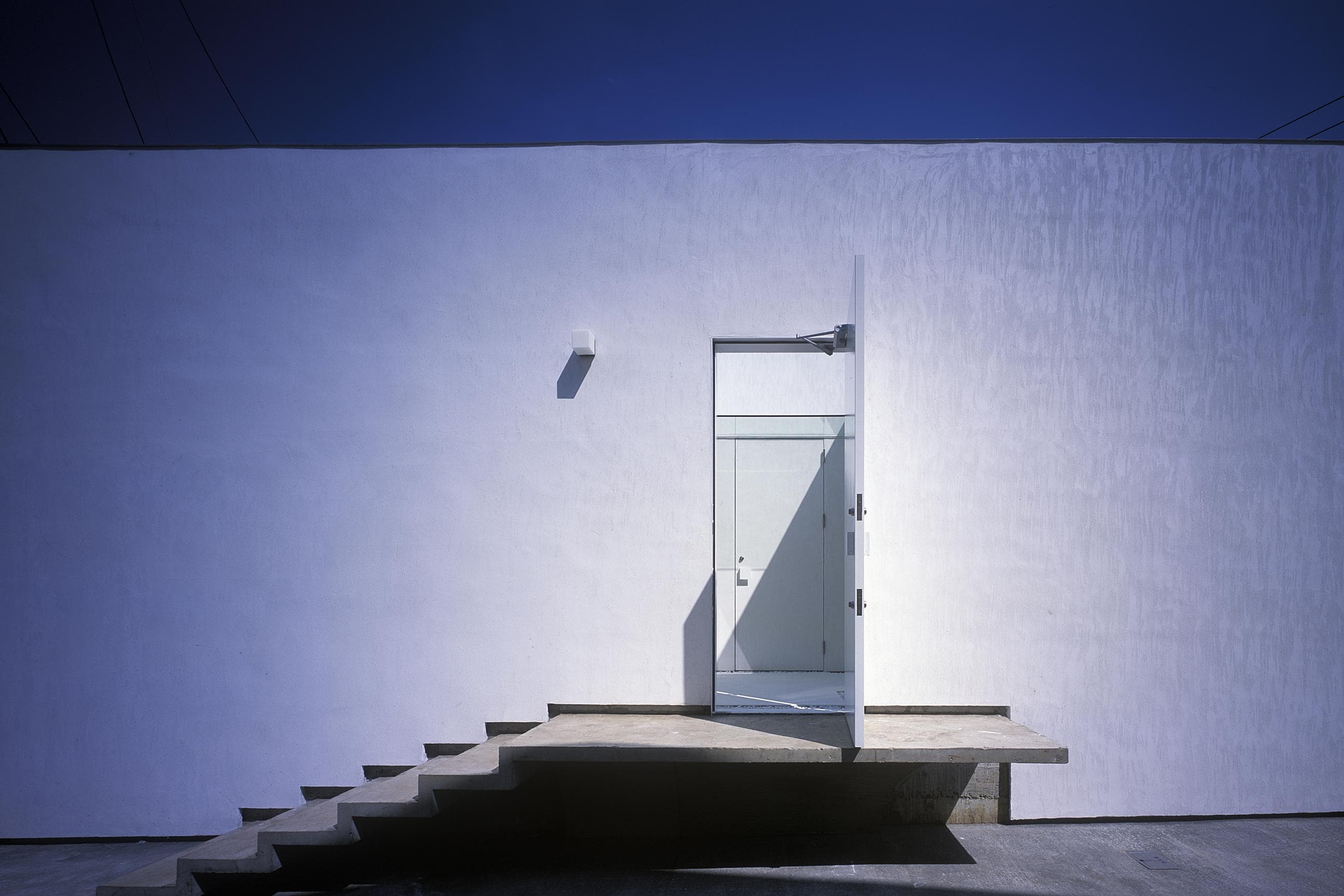
At the same time, there was a conflict between openness and security. While the front garden is designed to open to the landscape, security for a woman living alone could not be compromised. Our solution was to create a highly secure bedroom, while allowing the other spaces, such as the living room, to remain open and connected to the outside.
The bathroom and wash area are planned as a detached volume, inspired by the “hanare” in traditional Japanese houses. They are accessed through the courtyard, an outdoor space with a soft and ambiguous boundary.
This “ambiguous courtyard” allows the dog to move freely between inside and outside, even when the owner is away. For the dog, the boundary between indoors and outdoors is even less defined.
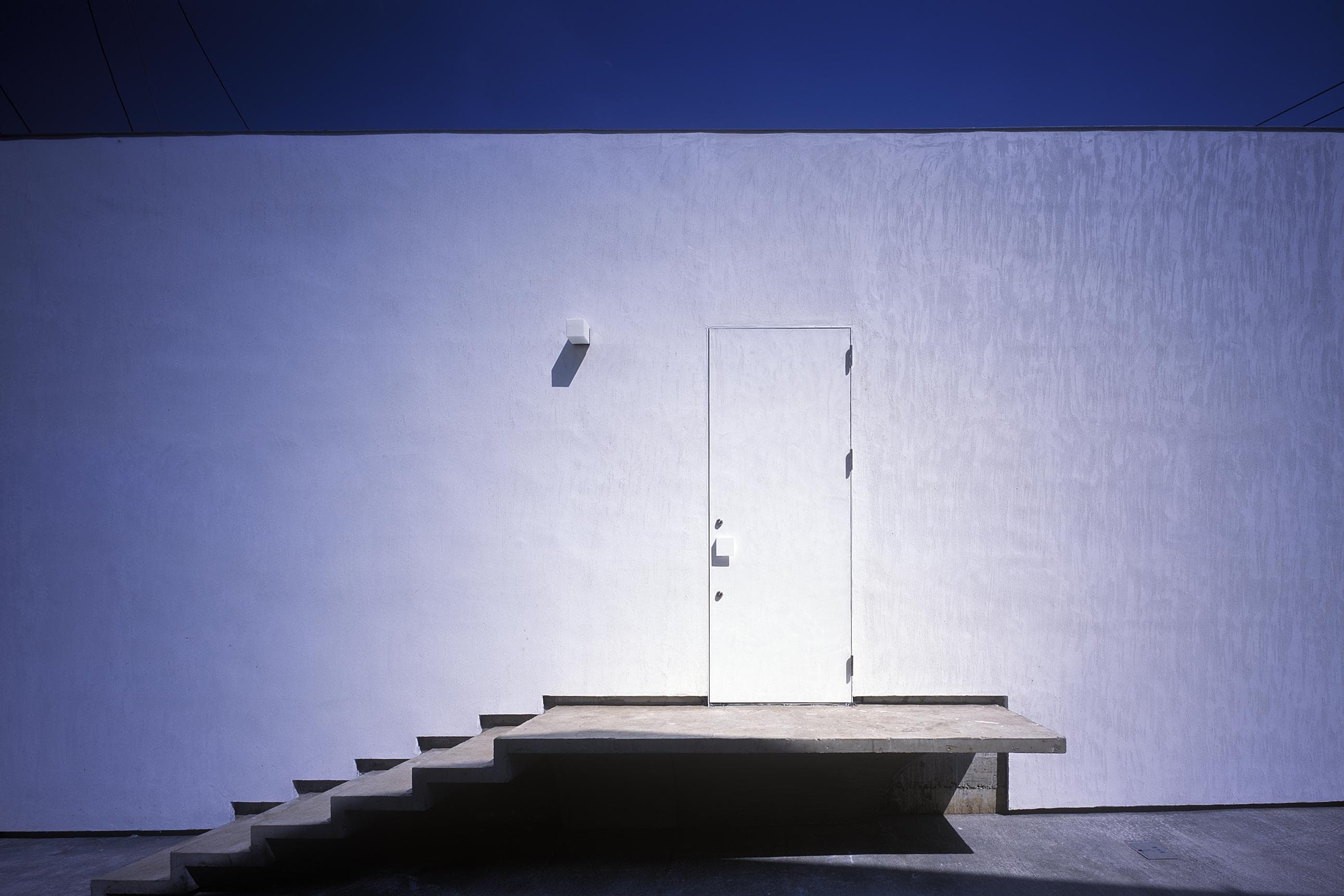
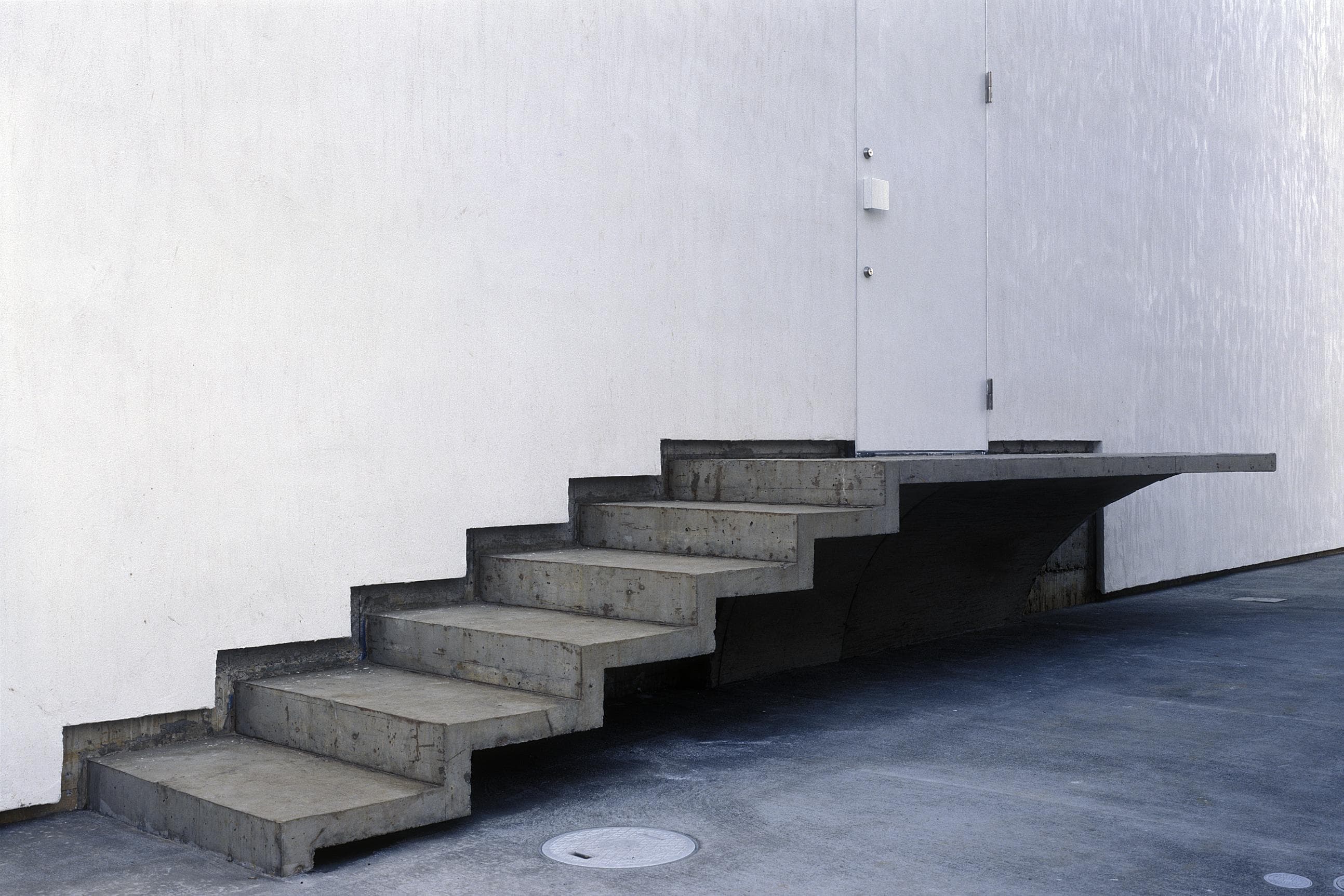
We believe that living independently requires a strong will. In this house, that strength is expressed through walls made of materials with a powerful texture. Through this project, we present a quiet proposal for a way of living alone.